Why Jepara Is Known as Indonesia's Furniture Capital
Understanding the Region Behind Indonesia's Global Furniture Industry
When international buyers search for furniture manufacturers in Indonesia, one location appears repeatedly: Jepara.
For decades, furniture retailers, wholesalers, hospitality projects, and furniture brands around the world have sourced products from this coastal town in Central Java. Despite its relatively small size, Jepara has earned a reputation as the heart of Indonesia’s furniture industry.
But what makes Jepara different from other manufacturing regions?
The answer goes far beyond furniture production itself. It is a story of craftsmanship, tradition, woodworking culture, and generations of knowledge that continue to shape the industry today.
A Town Built Around Woodworking
Unlike many industrial manufacturing centers that developed only in recent decades, Jepara’s connection to woodworking goes back generations.
Furniture making is deeply woven into the local culture. Skills are often passed from parents to children, creating a strong foundation of craftsmanship that continues to influence the industry today.
In many parts of Jepara, woodworking is not simply a profession. It is a way of life.
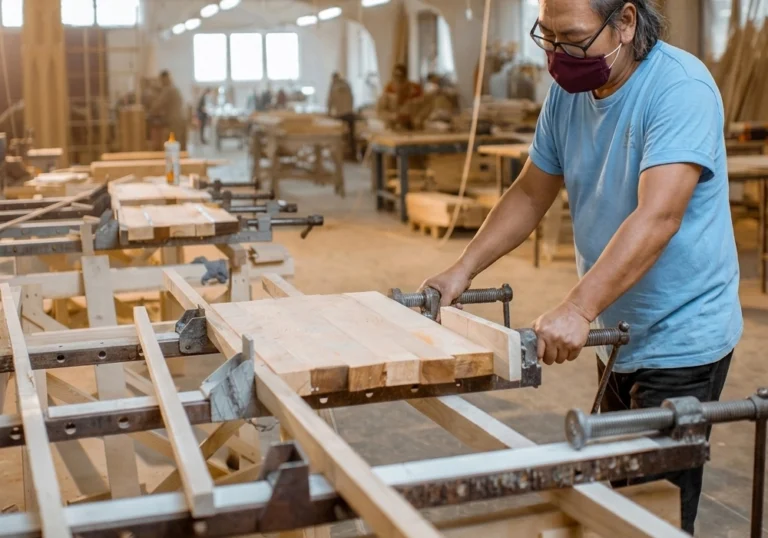
Walk through the region and it is common to find workshops, craftsmen, timber suppliers, finishing specialists, and furniture manufacturers operating side by side. This concentration of expertise has created an ecosystem that is difficult to replicate elsewhere.
Over time, that ecosystem helped transform Jepara into Indonesia’s most recognized furniture-producing region.
More Than Factories: An Entire Furniture Ecosystem
One reason buyers continue to source furniture from Jepara is the depth of its manufacturing network.
A furniture piece rarely moves through a single production stage.
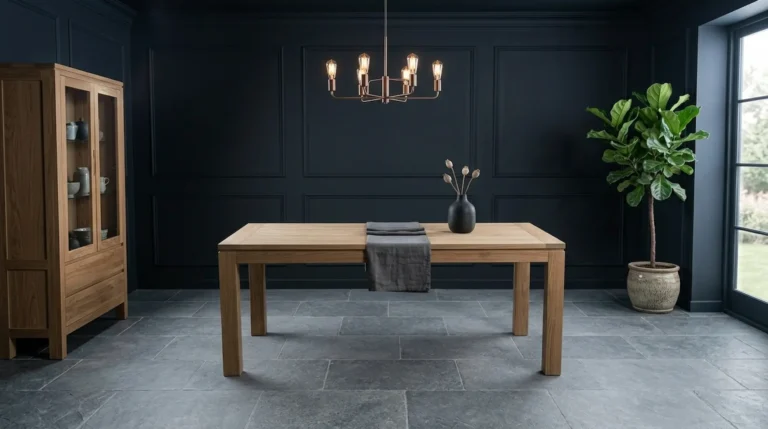
A dining table, for example, may begin with timber preparation, continue through machining, assembly, sanding, finishing, quality inspection, packing, and finally container loading.
Each stage often involves people who have spent years refining their specific skills.
This network creates flexibility that allows manufacturers to handle both standard production and custom projects.
Whether a buyer requires a small custom collection or a full container program, the supporting ecosystem helps make production possible.
For international buyers, this means access to a region that understands furniture manufacturing at every level.
Why Craftsmanship Still Matters
Furniture manufacturing today increasingly relies on automation and modern machinery.
However, furniture remains a product where craftsmanship still plays an important role.
Wood is a natural material. Every board has its own grain pattern, density, and character.
Understanding how to work with those natural variations requires experience.
This is where Jepara continues to stand out.
Many manufacturers combine modern production equipment with skilled hand-finishing, detailed sanding, and traditional woodworking knowledge.
The result is furniture that balances consistency with craftsmanship.
For buyers seeking products with character rather than purely mass-produced appearance, this remains one of Jepara’s strongest advantages.
The Global Demand for Jepara Furniture
Over the years, furniture produced in Jepara has reached markets across:
- Europe
- North America
- Australia
- New Zealand
- The Middle East
- Asia
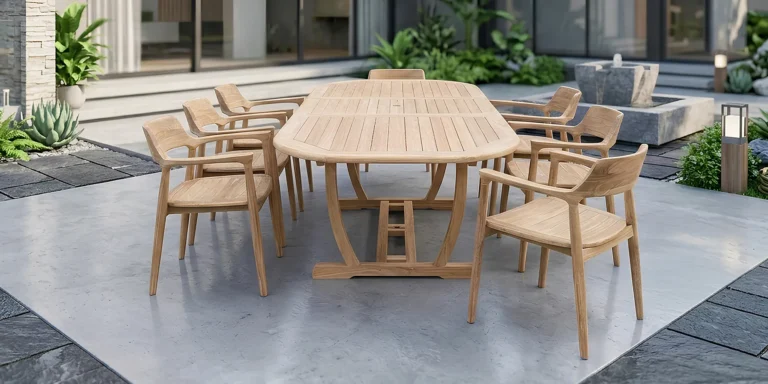
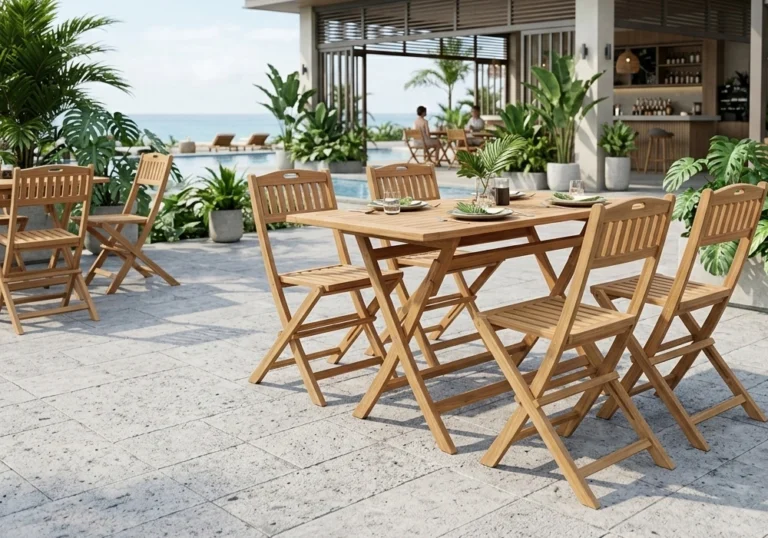
From outdoor teak furniture and indoor dining collections to hospitality projects and custom developments, Jepara manufacturers serve a wide range of international customers.
This export experience has helped local manufacturers understand the requirements of overseas markets, including quality standards, production planning, packaging requirements, and container-based shipping.
As a result, Jepara has evolved from a local furniture town into a globally connected manufacturing hub.
Why Buyers Continue to Choose Jepara
For experienced importers, supplier selection is rarely based on price alone. Reliability, communication, consistency, and manufacturing capability often have a greater impact on long-term success.
Jepara continues to attract buyers because it offers a combination of advantages that support long-term sourcing relationships.
Skilled Craftsmanship
Generations of woodworking experience remain one of the region’s greatest strengths.
Manufacturing Flexibility
Manufacturers can often accommodate custom designs, project requirements, and private-label production.
Material Expertise
Many producers have extensive experience working with teak, mahogany, suar, and other furniture materials.
Export Knowledge
Years of international trade experience support smoother production and shipping processes.
Strong Manufacturing Network
The concentration of workshops, suppliers, and specialists creates an efficient production ecosystem.
Jepara and the Future of Furniture Manufacturing
While global furniture markets continue to evolve, Jepara remains an important part of Indonesia’s manufacturing landscape.
Today’s buyers expect more than furniture production alone. They seek manufacturing partners who understand quality, communication, consistency, and long-term collaboration.
Jepara’s strength lies in its ability to combine traditional craftsmanship with modern manufacturing practices.
This balance allows the region to remain relevant in an increasingly competitive global market while preserving the woodworking culture that helped establish its reputation.
What Makes Jepara Different?
Many regions can manufacture furniture.
Few have built an entire ecosystem around it.
Jepara’s reputation is not the result of a single factory, a single workshop, or a single company. It is the result of generations of craftsmen, manufacturers, suppliers, and exporters working within a region where furniture production has become part of everyday life.
For global buyers seeking experienced manufacturing partners, understanding Jepara means understanding one of the foundations of Indonesia’s furniture industry itself.
About Jepara Crafter Furniture, CV.
Based in Jepara, Central Java, Jepara Crafter Furniture specializes in indoor furniture, outdoor furniture, and custom furniture manufacturing for importers, retailers, hospitality projects, and furniture brands worldwide.
Combining traditional craftsmanship with modern production practices, we focus on producing furniture designed for long-term value and international markets.