How to Import Furniture from Indonesia
A Practical Guide for Importers, Retailers, and Furniture Brands
Indonesia has become one of the world’s leading furniture sourcing destinations, supplying products to buyers across Europe, North America, Australia, the Middle East, and many other international markets.
For first-time buyers, however, the importing process can seem complex.
Questions often arise regarding supplier selection, production timelines, shipping arrangements, documentation requirements, and payment terms.
The good news is that importing furniture from Indonesia is generally straightforward when the process is understood from the beginning.
This guide explains the typical steps involved in sourcing and importing furniture from Indonesia.
Step 1: Define Your Product Requirements
Before contacting manufacturers, it is important to define what you are looking for.
Clear requirements help suppliers provide accurate quotations and realistic production timelines.
Consider the following:
- Product type
- Material preferences
- Dimensions
- Finish requirements
- Quantity
- Packaging requirements
- Target market
The more information provided at the beginning, the easier it becomes to compare suppliers and avoid misunderstandings later in the process.
For custom projects, buyers often provide reference photos, drawings, or technical specifications to communicate their requirements more clearly.
Step 2: Identify Suitable Furniture Manufacturers
Not all furniture manufacturers operate in the same way.
Some specialize in outdoor furniture, while others focus primarily on indoor furniture, hospitality projects, or custom manufacturing.
When evaluating suppliers, buyers commonly consider:
- Manufacturing experience
- Product specialization
- Export experience
- Production capacity
- Communication quality
- Material expertise
Experienced importers often prioritize reliability and consistency over simply finding the lowest price.
A supplier who understands international requirements can help reduce potential sourcing risks.
Step 3: Request Quotations and Product Information
Once suitable suppliers have been identified, buyers typically request quotations.
A quotation generally includes:
- Product pricing
- Material specifications
- Packaging information
- Production lead time
- Payment terms
- Shipping terms
This stage also provides an opportunity to evaluate how responsive and knowledgeable a supplier is during communication.
Clear communication early in the process often contributes to smoother project execution later.
Step 4: Review Samples or Product Details
For larger orders, many buyers prefer to review samples before confirming production.
Samples help verify:
- Material quality
- Construction quality
- Finishing standards
- Product proportions
- Design details
In some cases, buyers may request prototypes when developing new collections or private-label products.
Although samples involve additional costs, they can help prevent expensive mistakes during full production.
Step 5: Confirm Production Specifications
Before production begins, all specifications should be confirmed.
This may include:
- Product dimensions
- Material grades
- Finishing details
- Fabric selections
- Hardware specifications
- Packaging requirements
Many production issues originate from unclear specifications rather than manufacturing errors.
Taking time to review and confirm details helps minimize misunderstandings and supports a smoother production process.
Outdoor protection systems
Step 6: Production Begins
After specifications are approved and payment requirements are completed, production can begin.
Lead times vary depending on:
- Product complexity
- Order quantity
- Factory workload
- Material availability
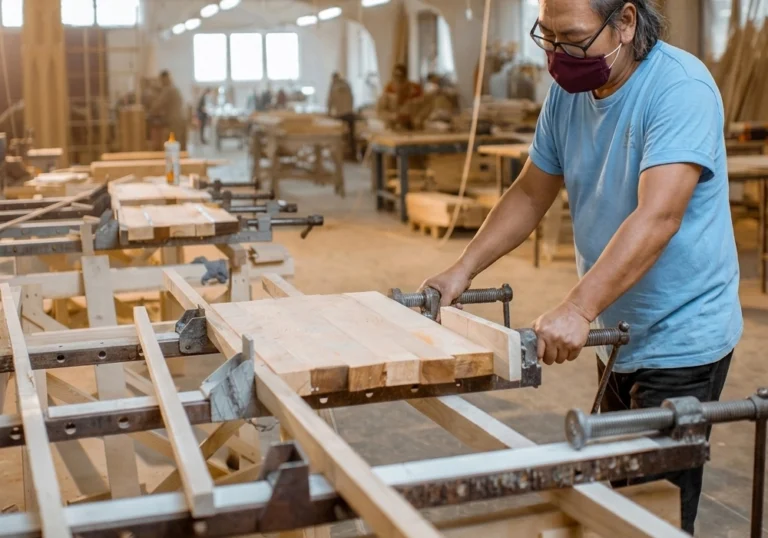
Furniture manufacturing typically involves multiple stages, including material preparation, machining, assembly, sanding, finishing, quality inspection, and packing.
Buyers often receive progress updates throughout the production period.
For larger projects, production monitoring can provide additional visibility into manufacturing progress.
Step 7: Quality Inspection
Quality inspection is an important part of the importing process.
Many buyers perform inspections before shipment to verify that products meet agreed specifications.
Inspection may include:
- Dimension checks
- Construction assessment
- Finish evaluation
- Packaging review
- Quantity verification
The purpose of inspection is not only to identify defects but also to confirm that production requirements have been fulfilled before shipment.
This step helps reduce surprises when goods arrive at their destination.
Step 8: Shipping and Export Documentation
Once production and inspection are completed, the shipment is prepared for export.
Furniture is typically shipped via ocean freight using:
- 20-foot containers
- 40-foot containers
- 40-foot high-cube containers
Export documentation may include:
- Commercial Invoice
- Packing List
- Bill of Lading
- Certificate of Origin
- Fumigation Documents (when required)
Documentation requirements vary depending on the destination country.
Most experienced exporters are familiar with these procedures and can assist buyers throughout the shipping process.