Why Source Furniture from Indonesia?
A Guide for Global Buyers Seeking Reliable Manufacturing Partners
For decades, Indonesia has been one of the world’s leading furniture manufacturing destinations, supplying furniture to importers, retailers, hospitality projects, and furniture brands across Europe, North America, Australia, and beyond.
From handcrafted teak furniture to large-scale commercial production, Indonesian manufacturers have built a reputation for combining quality materials, skilled craftsmanship, and export experience.
But what makes Indonesia such an attractive sourcing destination compared to other furniture-producing countries?
In this guide, we explore the key reasons why global buyers continue to source furniture from Indonesia and how the country’s manufacturing capabilities support businesses worldwide.
Why Indonesia Has Become a Global Furniture Hub
Indonesia’s furniture industry is built on generations of woodworking expertise. Unlike many manufacturing countries that focus primarily on mass production, Indonesia combines traditional craftsmanship with modern production capabilities.
The country’s furniture sector serves a wide range of markets, from independent furniture retailers and wholesalers to hospitality developments, commercial projects, and international furniture brands.
One of Indonesia’s greatest strengths is its manufacturing flexibility. Buyers can source standard collections, develop custom products, or build exclusive furniture ranges tailored to their own brand identity.
Over the years, Indonesia has established itself as a trusted sourcing destination by offering a balance between quality, customization, and competitive value.
Premium Materials That Stand the Test of Time
Material selection plays a significant role in furniture quality, and Indonesia benefits from access to some of the world’s most sought-after natural materials.
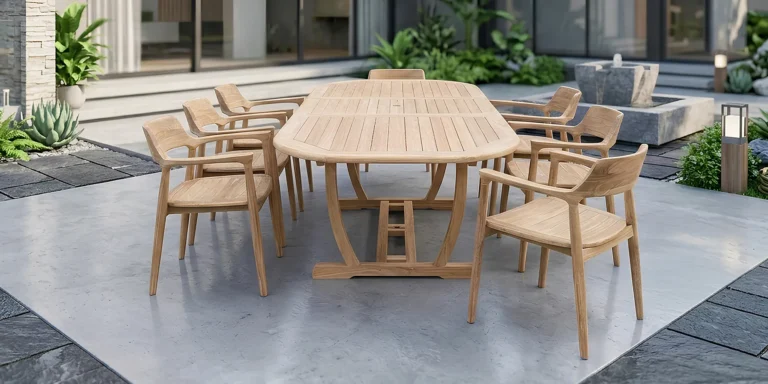
Among them, teak remains the most recognized and widely used hardwood for both indoor and outdoor furniture.
Known for its durability, attractive grain patterns, and natural resistance to weather and insects, teak has become a preferred choice for furniture buyers worldwide.
In addition to teak, Indonesian manufacturers commonly work with:
This variety allows manufacturers to produce furniture suitable for different markets, styles, and price segments while maintaining strong material quality.
Craftsmanship That Combines Tradition and Modern Production
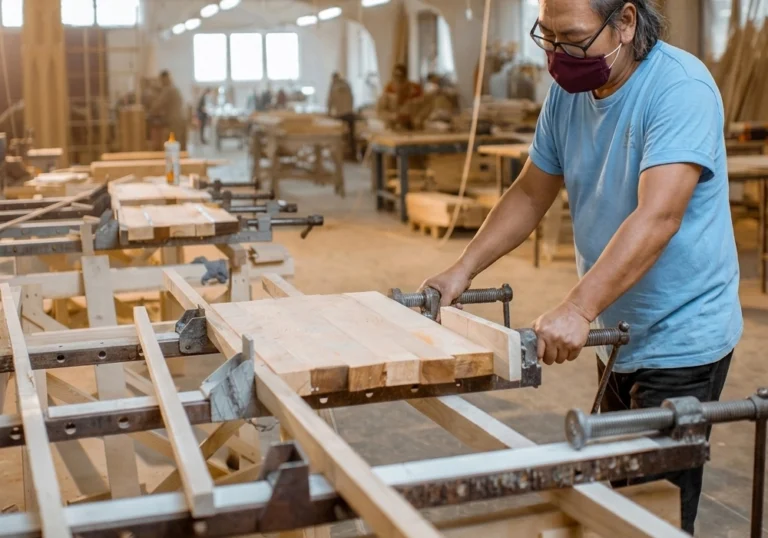
One of the defining characteristics of Indonesian furniture manufacturing is craftsmanship.
While modern machinery improves efficiency and consistency, many production processes still rely on skilled craftsmen who understand wood behavior, joinery techniques, sanding quality, and finishing details.
This combination creates furniture that not only meets functional requirements but also delivers character and authenticity.
For buyers seeking products that stand apart from mass-produced alternatives, Indonesian craftsmanship remains a significant advantage.
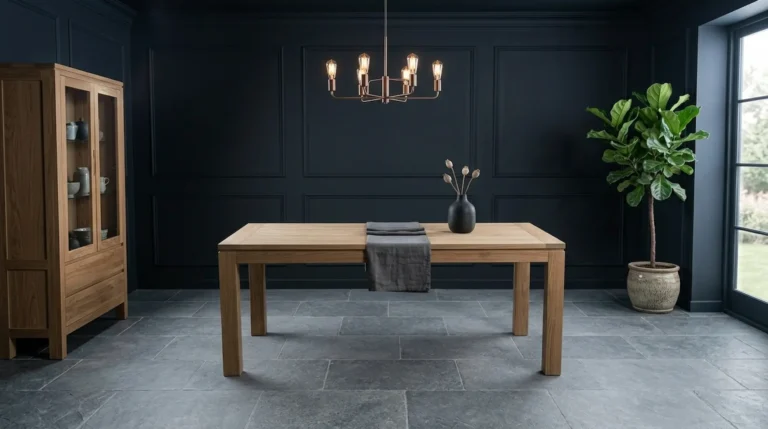
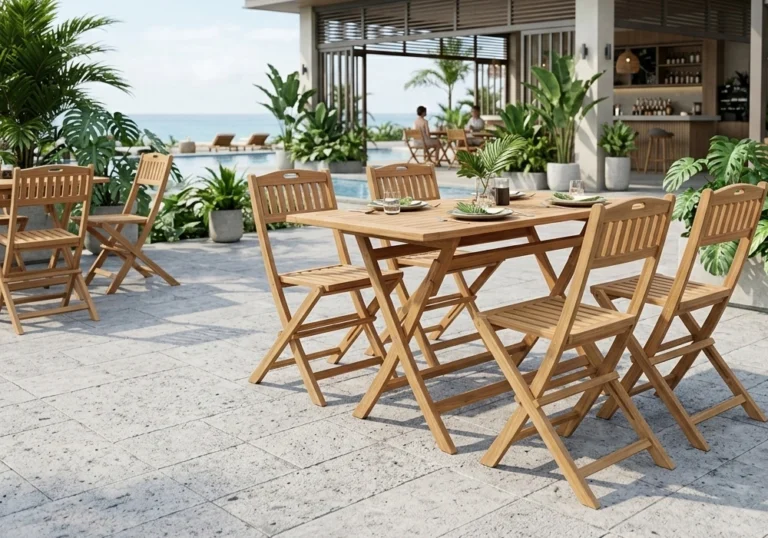
Whether producing dining tables, bedroom furniture, hospitality projects, or outdoor collections, attention to detail continues to be one of the industry’s strongest assets.
Export Experience and International Market Understanding
Furniture manufacturing is only one part of the sourcing process. Equally important is the ability to manage production schedules, quality control, packaging requirements, and international shipping.
Indonesia’s long history of furniture exports has helped manufacturers develop extensive experience in serving overseas markets. Today, Indonesian furniture is exported to countries throughout Europe, North America, Australia, and the Middle East.
Many manufacturers understand the practical requirements involved in export-oriented production, including:
- Container optimization
- Export documentation
- Product packaging
- Quality inspection procedures
- Production planning
This experience helps buyers reduce sourcing risks and creates a smoother purchasing process from inquiry through shipment.
Why Global Buyers Continue to Choose Indonesia
Although the global furniture industry continues to evolve, Indonesia remains a preferred sourcing destination for many international buyers.
Key advantages include:
Quality Natural Materials
Access to teak and other premium hardwoods supports long-lasting furniture production.
Skilled Craftsmanship
Generations of woodworking expertise contribute to product quality and attention to detail.
Manufacturing Flexibility
Factories can accommodate custom designs, private label production, and project-based requirements.
Export Experience
Years of international trade experience support efficient communication and shipment preparation.
Diverse Product Categories
From indoor and outdoor furniture to hospitality and custom projects, manufacturers offer a broad range of capabilities.
Long-Term Business Relationships
Many buyers choose Indonesia not only for a single order but for long-term sourcing partnerships built on trust and consistency.
Furniture Manufacturing in Jepara, Indonesia
Within Indonesia, Jepara is widely recognized as the country’s furniture manufacturing center.
The region has developed a global reputation for woodworking craftsmanship and furniture production expertise. Thousands of craftsmen, workshops, and manufacturing facilities contribute to an ecosystem that supports both small-batch custom production and large-scale export manufacturing.
For decades, furniture produced in Jepara has been exported to international markets and continues to play an important role in Indonesia’s furniture industry.
This combination of skilled labor, manufacturing knowledge, and export experience has helped position Jepara as one of the most respected furniture-producing regions in the world.
Key Takeaways
When sourcing furniture internationally, buyers often look beyond price alone. Product quality, manufacturing capability, material selection, and long-term reliability all play important roles in supplier evaluation.
Indonesia offers a unique combination of these factors.
With access to quality materials, experienced craftsmen, flexible production capabilities, and a strong export background, the country continues to attract buyers seeking dependable manufacturing partners.
For businesses looking to build long-term sourcing relationships, Indonesia remains one of the most established and respected furniture manufacturing destinations worldwide.