How Furniture Is Made in Indonesia
From Raw Timber to Finished Furniture
When buyers receive a finished dining table, outdoor sofa, or bedroom collection, they usually see only the final product.
What they do not see is the journey behind it.
Furniture manufacturing involves far more than cutting wood and assembling components. Every piece passes through multiple stages before it is ready for packaging and shipment.
Understanding this process helps buyers better evaluate product quality, production timelines, and manufacturing capabilities.
In this article, we explore how furniture is typically made in Indonesia, from raw material selection to final container loading.
It Starts with Material Selection
Every furniture project begins with the selection of raw materials. The quality of a finished product is heavily influenced by the quality of the materials used at the very beginning of the process.
Indonesian manufacturers commonly work with materials such as:
Preparing the Timber
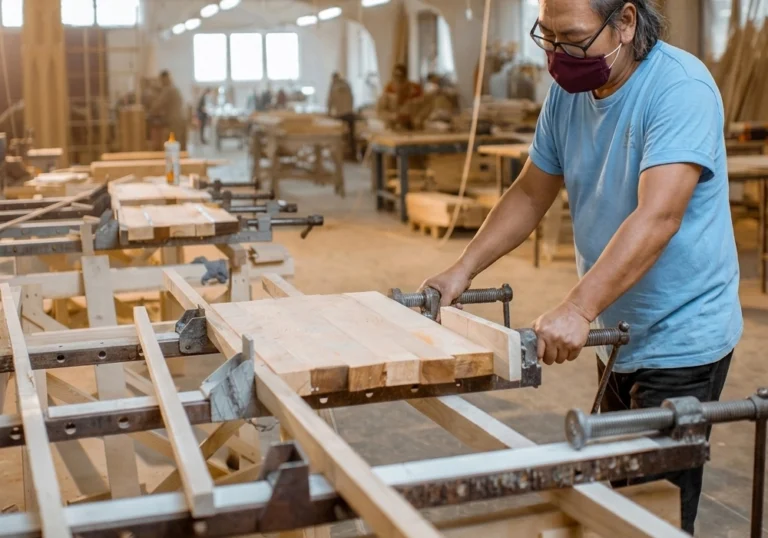
Before production begins, timber must be properly prepared. Boards are inspected, sorted, and cut according to production requirements. At this stage, manufacturers remove defects that may affect structural integrity or visual appearance. Depending on the product design, components are then cut into specific dimensions and prepared for machining.
Proper preparation helps improve consistency throughout the production process and reduces potential issues during assembly. Although this stage often receives little attention from buyers, it plays a critical role in product quality.
Machining and Component Production
Once the timber has been prepared, individual furniture components begin to take shape. Using a combination of woodworking machinery and skilled operators, manufacturers create:
- Table legs
- Frames
- Rails
- Panels
- Armrests
- Structural supports
Precision is important at this stage because every component must fit together correctly during assembly. Even small dimensional variations can affect the final result.
Modern machinery improves consistency, while experienced craftsmen help ensure that natural material variations are properly managed. This balance between technology and craftsmanship remains a defining characteristic of many Indonesian furniture manufacturers.
Assembly: Where Furniture Takes Shape
Assembly is often the stage where buyers begin to recognize the final product. Individual components are joined together to create complete furniture structures. Depending on the design, manufacturers may use:
- Mortise and tenon joints
- Dowel construction
- Mechanical fittings
- Reinforcement systems
A dining chair, for example, may contain numerous individual parts that must be aligned accurately to achieve both strength and visual consistency.
During assembly, attention to detail becomes increasingly important because structural quality directly affects long-term durability. Well-executed assembly contributes to furniture that remains stable and reliable throughout years of use.
Sanding and Surface Preparation
Before finishing can begin, furniture surfaces must be carefully prepared. Sanding is one of the most labor-intensive stages of furniture manufacturing. Its purpose is not only to smooth the wood but also to prepare the surface for finishing materials.
This stage influences:
- Surface texture
- Finish consistency
- Visual appearance
- User experience
Even the highest-quality timber can appear unattractive if sanding is poorly executed. For this reason, many manufacturers dedicate significant time and labor to surface preparation before moving to the finishing stage.
Applying the Finish
Finishing serves both protective and aesthetic purposes. Depending on the project requirements, manufacturers may apply different types of finishes, including:
Outdoor protection systems
The chosen finish affects color, durability, maintenance requirements, and overall appearance. For many buyers, finishing is one of the most visible indicators of furniture quality.
A well-applied finish highlights the natural beauty of the material while helping protect the furniture from everyday use.
Quality Inspection
Before packing, each product is inspected to ensure it meets the required specifications and quality standards.
Inspectors typically evaluate:
Packing and Container Loading
Once products pass inspection, they move to the packing stage. Packaging requirements vary depending on product type, shipping method, and customer preferences.
After packing is completed, products are loaded into containers according to shipping plans. Container optimization is important because it affects transportation efficiency and shipping costs.
At this point, weeks of manufacturing work are finally ready to begin their journey to international markets.
Furniture may be packed using:
Why Understanding the Process Matters
For buyers, understanding how furniture is made provides valuable insight into supplier capabilities and product quality. Furniture manufacturing is not defined by a single production stage. Quality is created through a series of decisions and processes, beginning with material selection and continuing through machining, assembly, finishing, inspection, and packing.
When evaluating potential suppliers, buyers who understand these stages are often better equipped to assess manufacturing standards and make informed sourcing decisions.
Conclusion
Furniture manufacturing is a process that combines materials, craftsmanship, technology, and quality control. From raw timber to finished product, each stage contributes to the overall performance, appearance, and durability of the furniture.
Understanding how furniture is made not only helps buyers appreciate the work behind each piece but also provides a clearer perspective when selecting manufacturing partners and evaluating product quality.